
Sound · New York City, New York, USA · Born October 3, 1936
Steve Reich was born on October 3, 1936 in New York City, New York, USA as Stephen Michael Reich. Stephen Michael Reich (born October 3, 1936) is an American composer who, along with La Monte Young, Terry Riley, and Philip Glass, pioneered minimal music in the mid to late 1960s. Reich's style of composition influenced many composers and groups. His innovations include using tape loops to create phasing patterns (for example, his early compositions It's Gonna Rain and Come Out), and the use of simple, audible processes to explore musical concepts (for instance, Pendulum Music and Four Organs). These compositions, marked by their use of repetitive figures, slow harmonic rhythm and canons, have significantly influenced contemporary music, especially in the US. Reich's work took on a darker character in the 1980s with the introduction of historical themes as well as themes from his Jewish heritage, notably Different Trains. Writing in The Guardian, music critic Andrew Clements suggested that Reich is one of "a handful of living composers who can legitimately claim to have altered the direction of musical history".[6] The American composer and critic Kyle Gann has said that Reich "may ... be considered, by general acclamation, America's greatest living composer". From Wikipedia, the free encyclopedia
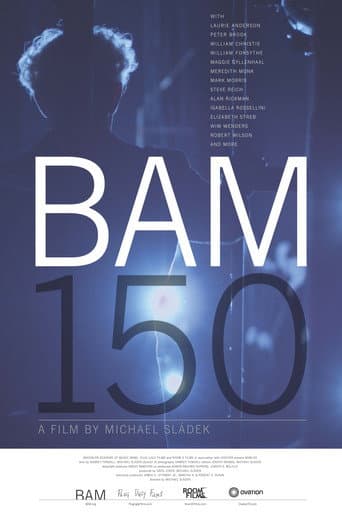 Movie
MovieBAM150
2012
as Self
 Movie
MovieSteve Reich: Phase to Face
2011
as Self
 Movie
MovieMichael Nyman in Progress
2010
as Self
 Movie
MovieReich at the Roxy
2006
as Himself
 Movie
MovieIn the Ocean
2001
 Movie
MovieSteve Reich - City Life
1995
Steve Reich: A New Musical Language
1987
as Self
 Movie
MovieNew Music: Sounds and Voices from the Avant-Garde New York 1971
1971
as Self
 Movie
MoviePlastic Haircut
1963
Thirty Second Spots: TV Commercials for Artists (1982-83)
as Steve Reich
