
Directing · Warsaw, General Government, German Reich [now Poland] · Born June 27, 1941
Krzysztof Kieślowski (June 27, 1941 – March 13, 1996) was an influential Polish film director and screenwriter known internationally for his television series "The Decalogue" (1989), and his feature films "The Double Life of Véronique" (1991), and the "Three Colours" trilogy (1993–1994). Kieślowski received numerous awards during his career, including the Cannes Film Festival Jury Prize (1988), FIPRESCI Prize (1988, 1991), and Prize of the Ecumenical Jury (1991); the Venice Film Festival FIPRESCI Prize (1989), Golden Lion (1993), and OCIC Award (1993); and the Berlin International Film Festival Silver Bear (1994). In 1995 he received Academy Award nominations for Best Director and Best Writing. In 2002 Kieślowski was listed at number two on the British Film Institute's Sight & Sound Top Ten Directors list of modern times. Krzysztof Kieślowski died on 13 March 1996, He was 54.
 Movie
MovieProtection Line
2025
as self - cameo
 Movie
MovieMy Kieslowski
2006
as Self
 Movie
MovieStill Alive: A Film About Krzysztof Kieslowski
2006
as Self
 Movie
Movie1966-1988: Kieslowski, Polish Filmmaker
2005
as Self
Krzysiek Kieślowski
2001
as Self
Short Film About Krzysztof Kieslowski
1996
as Self
 Movie
MovieKrzysztof Kieslowski: I'm So-So...
1995
as Self
 Movie
MovieKrzysztof Kieślowski: A Masterclass for Young Directors
1995
as Self
 Movie
MovieA Short Film About Decalogue: An Interview with Krzysztof Kieslowski
1995
as Self
Krzysztof Kieślowski: A Lesson in Cinema
1994
as Self
 Movie
MovieKieślowski Cannes 94
1994
as Self
Tren na śmierć cenzora
1992
as Self
 Movie
MovieKieslowski: Dialogue
1991
as Self
 Movie
MovieThe Ten Commandments of Krzysztof Kieslowski
1990
as Self
 Movie
MoviePictures of Europe
1990
as Self
 Movie
MovieLegend
1975
as Krzysztof Kieślowski
 Movie
MovieNiebieskie jak Morze Czarne
1973
as Survey Participant (uncredited)
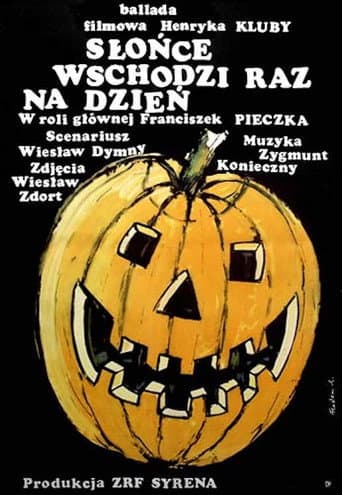 Movie
MovieThe Sun Rises Once a Day
1972
as MO Officer (uncredited)
 Movie
MovieHell and Heaven
1966
as Saved Man (uncredited)
 Movie
MovieDon Gabriel
1966
as Soldier (uncredited)
 Movie
MovieThe Face
1966
as The Artist
Kieślowski i jego Amator
as Self
