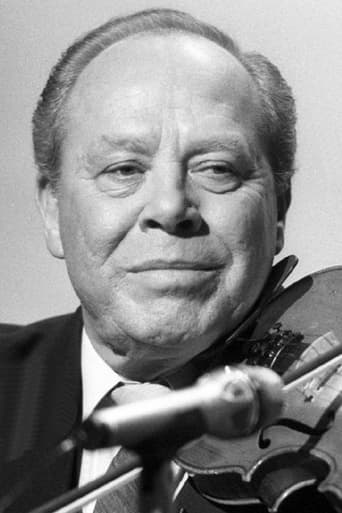
Acting · Berlin, Germany · Born January 27, 1920
Helmut Zacharias (27 January 1920 – 28 February 2002) was a German violinist and composer who created over 400 works and sold 14 million records. He also appeared in a number of films, usually playing musicians. Helmut Zacharias was born in Berlin. His father Karl was a violinist and conductor, and his mother was a singer. He started having lessons from his father at the age of 2 and a half and at 6 he played at the Faun club, a cabaret venue on the Friedrichstraße in Berlin. At the age of 8, Zacharias became the youngest student in Gustav Havemann's masterclass at the Berlin Academy of Music. Aged 11, he played on radio for the first time with a performance of Mozart's Violin Concerto No. 3 in G major and began touring in 1934 at the age of 14. At this time, in the 1930s, the records of Django Reinhardt and Stéphane Grappelli's all-string jazz band were available in Germany and they heavily influenced Zacharias's musical style. In 1940, Zacharias was discovered by Lindström-Electrola (then-name of the German branch of EMI) and in 1941 had his first mainstream success with Schönes Wetter Heute. By the 1950s, he was considered to be one of the best jazz violinists of Europe and was dubbed "The Magic Violinist" and "Germany's Mr. Violin". In 1956 he achieved his greatest success in the United States with the release of "When the White Lilacs Bloom Again" which, on 22 September, reached number 12 on the Billboard Hot 100. On 21 November 1964 he reached number 9 in the UK Singles Chart with Tokyo Melody following its use as theme music for the BBC's coverage of the 1964 Summer Olympics. Zacharias moved to Switzerland in the late 1950s and continued playing with many other famous artists, including Yehudi Menuhin. From 1968 to 1973 he appeared in his own television show. In 1985, he was awarded the Order of Merit of the Federal Republic of Germany. Zacharias had been detected as suffering from Alzheimer's disease in 1995 and retired from public life in 1997 before the fact was publicly acknowledged on World Alzheimer's Day in 2000. He died in 2002 in Brissago, Switzerland and is buried in Ohlsdorf Cemetery in Hamburg. Zacharias was married to Hella (née Konradat) from 1943 until his death. Together they had two sons, Stephan and Thomas, and a daughter, Sylvia. Stephan, born in 1956, is a composer whose credits include the soundtrack to Academy Award-nominated film Downfall while Thomas was an international athlete. Source: Article "Helmut Zacharias" from Wikipedia in English, licensed under CC-BY-SA 3.0.
Musik liegt in der Luft
1991
as Self
Bombenstimmung - Unterhaltung unterm Hakenkreuz
1987
as self
Melodien für Millionen
1985
as Self
Kronen Könner Kavaliere
1984
as Self
Menschen
1982
as Self
So schön wie heut', so müßt' es bleiben
1981
as Self
Tag des deutschen Schlagers
1981
as Self
 TV
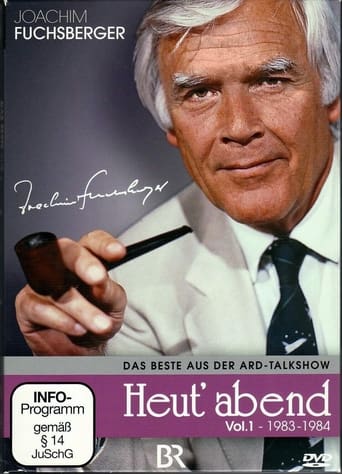
TVHeut' abend
1980
as Self
 TV
TVVerstehen Sie Spaß?
1980
as Self
Peter Alexander: Wir gratulieren
1979
as Self
Bio’s Bahnhof
1978
as Self
 TV
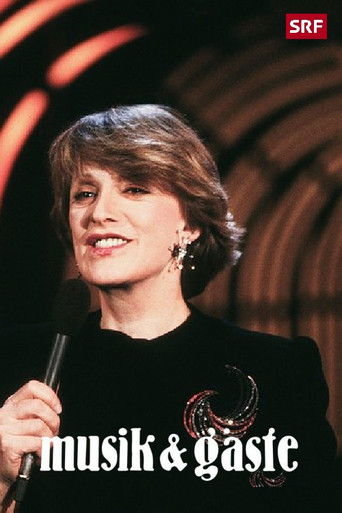
TVMusic & Guests
1976
as Self
Musik ist Trumpf
1975
as Self
Der große Preis
1974
as Self
Anneliese Rothenberger gibt sich die Ehre
1971
as Self
 TV
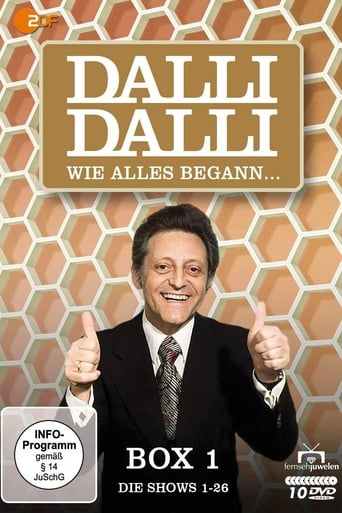
TVDalli Dalli
1971
as Self
Drei mal neun
1970
as Self
Schwarzer Peter
1970
as Self
ZDF Werkstatt
1970
as Self
Unsere kleine Show - Musik zur blauen Stunde
1969
as Self
Auf den Flügeln bunter Träume
1968
as Self - Host
Gut gefragt ist halb gewonnen
1964
as Self
Die Drehscheibe
1964
as Self
Einer wird gewinnen
1964
as Self
Zwischenmahlzeit
1963
as Self
Reportagen mit jedermann
1963
as Self
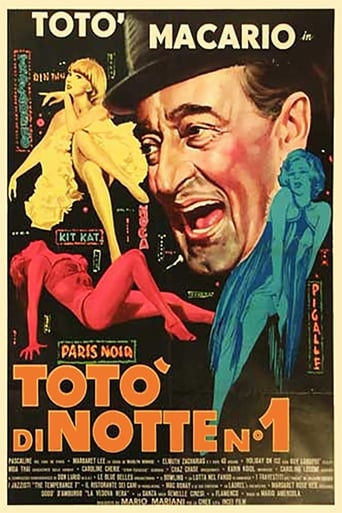 Movie
MovieToto at Night
1962
as Self
Kleine Stadt - ganz groß
1961
as Self
 TV
TVStars in the Ring
1959
as Self
 TV
TVDiscorama
1959
as Self
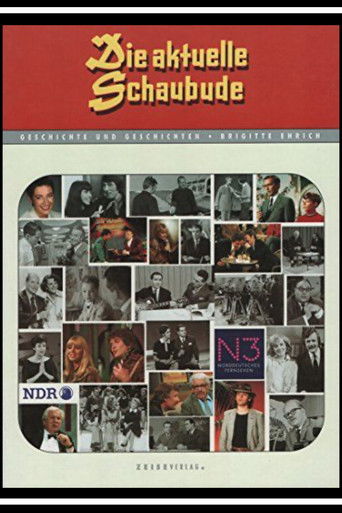 TV
TVAktuelle Schaubude
1957
as Self
Zum blauen Bock
1957
as Self
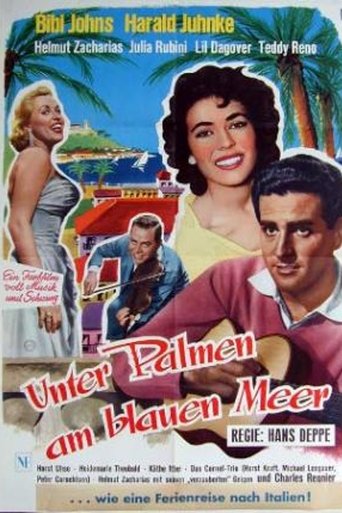 Movie
MovieUnter Palmen am blauen Meer
1957
as Self
Melodie der Welt
1956
as Self
Was bin ich?
1955
as Self
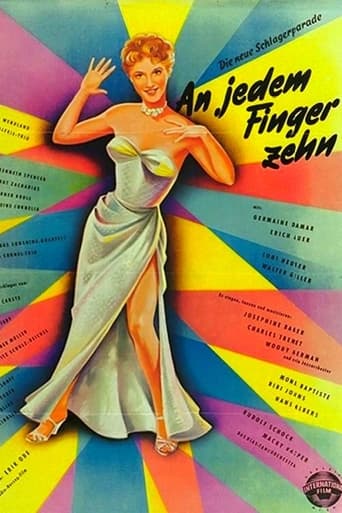 Movie
MovieTen on Every Finger
1954
as Helmut
Wer gegen wen - ferngesehen
1953
as Self
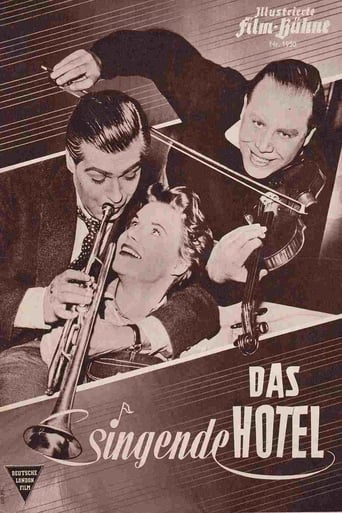 Movie
MovieDas singende Hotel
1953
as Karli Alten
 TV
TVBambi
1948
as Self
